
Seasonal Start
Cold months mean heavier products and thicker fills. You still have the same time in your day. Efficiency matters more now.
Work Smart
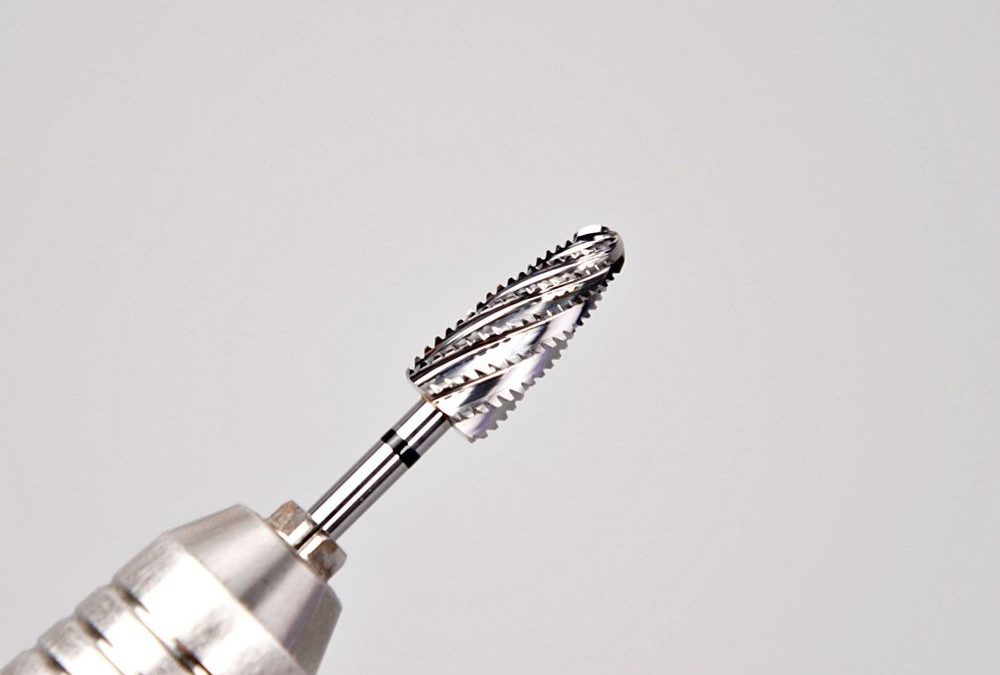
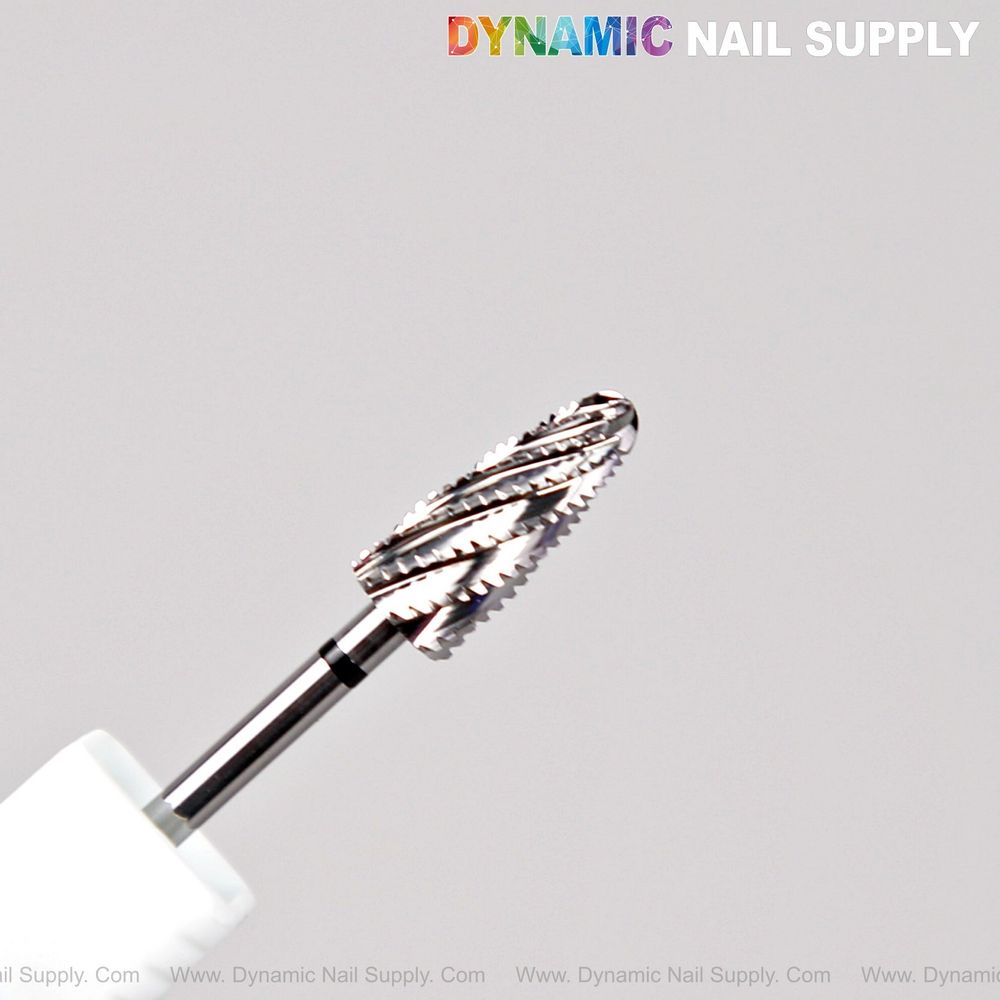
You want fast removal. You also want less waste. The Extra Coarse Typhoon bit is built for rapid debulking. Use that speed to reduce repeat passes. One confident pass removes bulk. One pass means less dust and less product turned into grit.
Keep your movements deliberate. Hold the handpiece steady. Move across the surface in long, controlled strokes. Let the bit do the cutting. Don’t press hard. Excess pressure creates chatter and fine dust. That increases cleanup time and material loss.
Right Amounts
Match grit to task. Extra coarse is for heavy bulk. Use it only where needed. Switch to a finer bit for shaping and smoothing. That reduces over-removal and keeps the nail plate safer. It also saves your stash of drill bits by reducing wear.
Limit speed over natural nail. High RPMs and aggressive angles remove more than intended. Start slower near the cuticle and edges. Gradually increase speed as you reach thick product. You’ll remove less healthy material and waste less product in the process.
Storage Care
Store bits clean and dry. A small case keeps flutes intact. Keep pieces separated to avoid nicks on the cutting surface. Damaged teeth force you to work harder. Harder work means more passes and more waste.
After each session, soak the bit in an approved disinfectant as recommended for e-file attachments. Use a soft wire brush to clear flutes of debris. Dry thoroughly before storage. Clean bits maintain cutting efficiency and cut less material per pass.
Reuse, Not Replace
Inspect bits before tossing. Look for rounded or clogged flutes. If the flutes are clear and sharp, continue using the bit. Proper cleaning extends life. This reduces how often you replace tools and how much packaging ends up in your bin.
Rotate bits in your kit. Don’t rely on a single tool for every client. Alternate bits for heavy debulking and for finishing. That balances wear and keeps each bit performing well longer.
Workstation Setup
Set up a simple capture area. A small tray or damp microfiber cloth catches most larger particles. Use a low-suction dust collector if you have one. Keep the immediate zone tidy. Quick cleanup between clients saves time overall and reduces material lost to messy surfaces.
Arrange bits, brushes, and disinfectant within arm’s reach. Fewer movements mean fewer mistakes. Fewer mistakes mean fewer re-dos.
Technique Tips
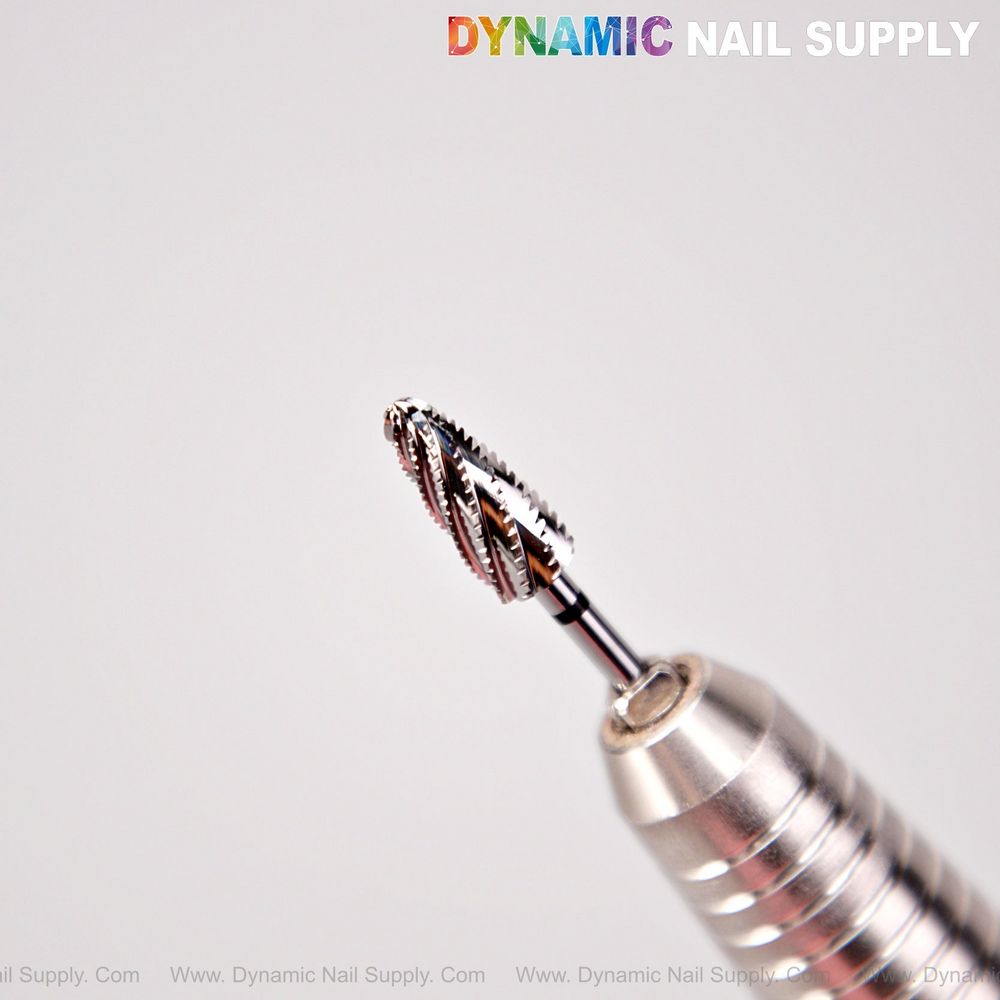
Angle matters. Keep the tapered cone at a shallow angle for controlled removal. Use the tip for cuticle areas. Use the mid-body for bulk. Use the base for shaping. Each zone benefits from a different approach. Respecting that reduces overwork.
Mind the rotation. The bit’s two-way cut works for left- and right-handed motion. Match your stroke to the rotation that feels smoothest. Smooth motion produces larger shavings rather than dust. Larger shavings are easier to collect and dispose of neatly.
Safety Notes
Wear a mask during removal. Avoid breathing dust. Use eye protection when necessary. Do not use a damaged bit on the natural nail. Replace any bit that shows excessive wear or structural damage.
Checklist
- Assess product thickness before starting.
- Use the Typhoon bit only for heavy debulking.
- Adjust speed and pressure—start gentle.
- Switch to finer bits for finishing passes.
- Clean flutes after each client with a disinfectant and brush.
- Store bits separated and dry.
- Rotate tools to distribute wear.
- Catch debris on a tray or cloth for easy disposal.
Final Notes
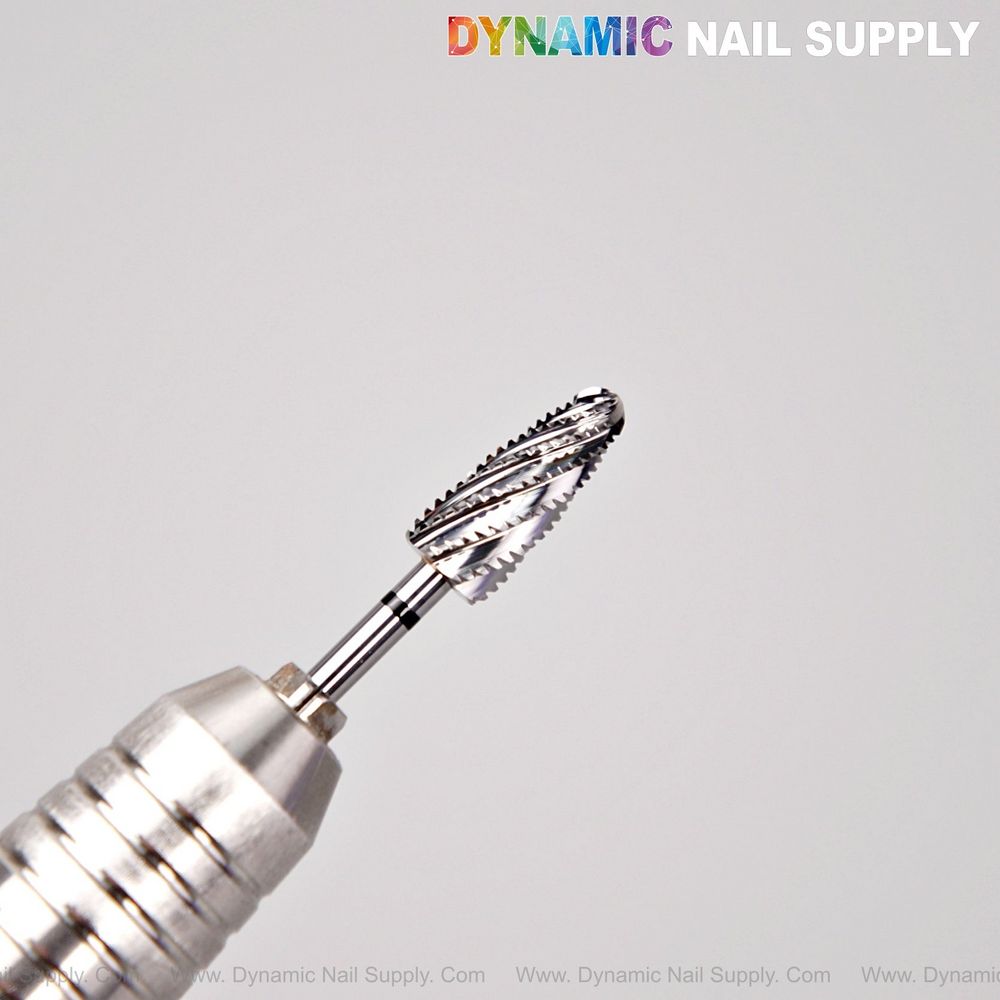
The Extra Coarse Typhoon bit is a tool for cutting time and cut debris when used with intention. At a typical price of $14.99 (prices may change), it’s a practical addition to a minimalist kit. Keep technique tight. Keep maintenance simple. You’ll reduce waste and speed up service.
If you want to view the item details and confirm stock levels here is a direct link:
Quick FAQ
Can I use this on natural nail? No—use caution and limit contact with the natural plate.
How often clean? Clean after each client.
When to replace? Replace when flutes dull or damage appears.